
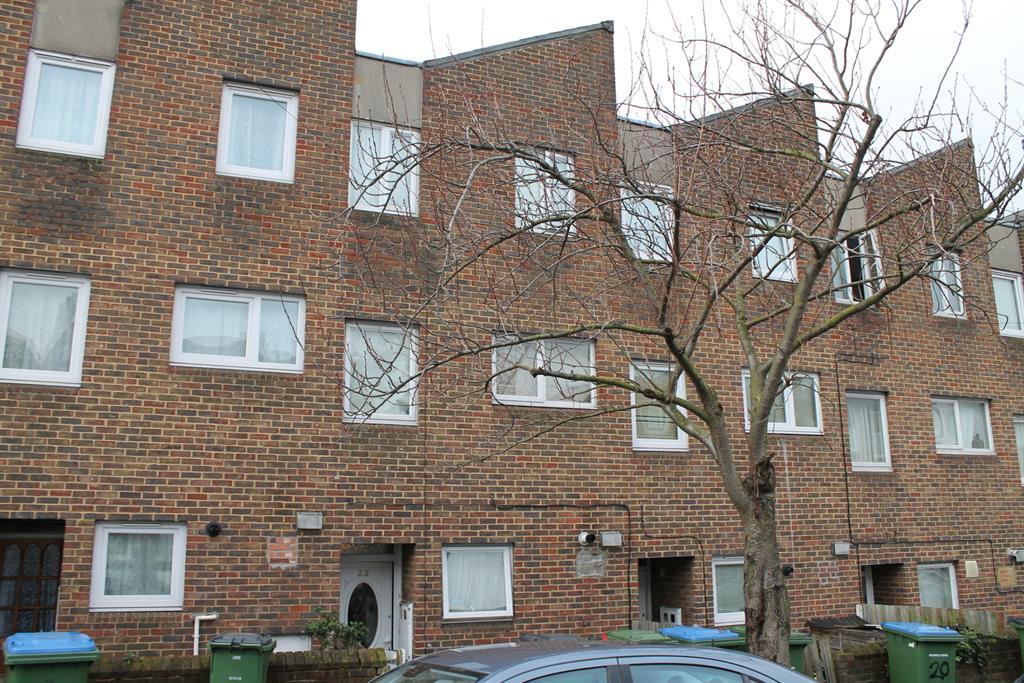
Disrepair
The Landlord and Tenant act was introduced in 1985, to help protect tenants against inadequate housing, provided by landlords.
- Building inspections: We conduct a thorough inspections of buildings to identify any defects or disrepair. They examine various elements such as roofs, walls, floors, foundations, plumbing systems, electrical systems, and other components to assess their condition.
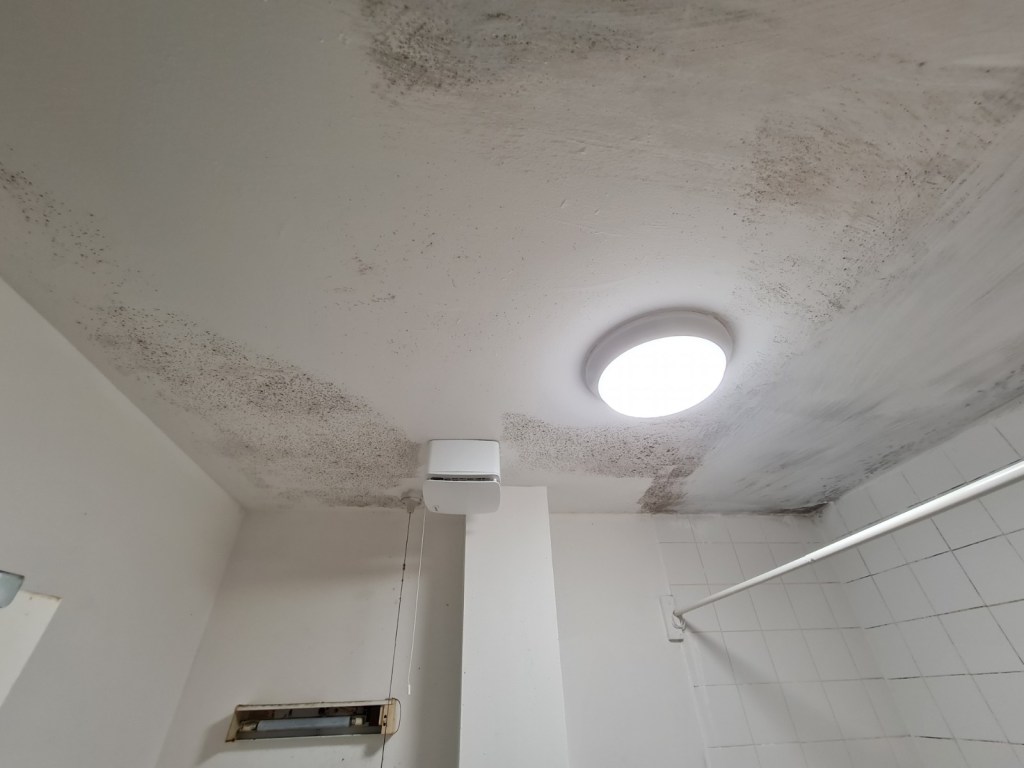
- Defect identification: The surveyor identifies any defects or damages that may affect the structural integrity or functionality of the building. This can include issues like cracks in walls or foundations, water damage, dampness, rotting woodwork, faulty wiring, or plumbing leaks.
- Report preparation: After conducting inspections, a disrepair surveyor prepares detailed reports outlining their findings. These reports typically include descriptions of identified defects, their severity, potential causes, and recommendations for repairs or remedial actions.
- Cost estimation: The surveyor may also provide cost estimates for the recommended repairs or remedial works. This helps property owners or managers in budgeting and planning for the necessary maintenance or renovation activities.
- Expert witness: In some cases, a disrepair surveyor may be called upon to provide expert witness testimony in legal proceedings related to building defects or disrepair. They may be required to present their findings and opinions in court or during arbitration processes.

Party wall surveyor
One of the areas of expertise offered by Albert Wellington is in the specialist sector of party wall surveying under the primary legislation of the Party Wall etc Act 1996.
The act aims to provide a framework for resolving disputes between property owners regarding party walls and ensure that any construction work carried out on or near a party wall is done in a manner that minimizes potential damage and disruption to neighboring properties.
- Providing advice: A party wall surveyor offers guidance and advice to both the building owner and the adjoining owner on their rights and obligations under the Party Wall etc. Act 1996. They explain the provisions of the act, clarify any concerns or queries, and ensure that both parties understand their respective roles and responsibilities.
- Serving notices: The surveyor assists the building owner in serving the necessary legal notices to inform adjoining owners about their proposed construction work. These notices typically include details about the nature of the work, its potential impact on the party wall, and any necessary permissions or consents required.
- Assessing and documenting existing conditions: Before any construction work begins, a party wall surveyor conducts a thorough inspection of the properties involved to assess their current condition. They document any existing cracks, defects, or other issues that may be relevant to determine if any damage occurs during or after the construction process.
- Preparing schedules of condition: Based on their inspections, party wall surveyors prepare detailed schedules of condition for each property involved. These schedules serve as a benchmark against which any damage caused by the construction work can be assessed later on.
- Negotiating and resolving disputes: If any disputes arise between the building owner and the adjoining owner, a party wall surveyor acts as a mediator to facilitate negotiations and find mutually agreeable solutions. They aim to resolve conflicts amicably, ensuring that the rights and interests of both parties are protected.
- Preparing party wall awards: In cases where an agreement cannot be reached through negotiation, a party wall surveyor has the authority to make a legally binding decision known as a party wall award. This document outlines the rights and obligations of both parties and provides guidance on how the construction work should proceed.
Lease Extensions
Start Lease Extensions provides a simple fixed-fee all-inclusive package for leaseholders looking to extend the lease on their residential property.
When it comes to lease extensions, a surveyor’s role becomes particularly important. A lease extension refers to the process of extending the length of a lease agreement between a landlord and a tenant. This is typically done when the original lease term is about to expire or has already expired. The purpose of a lease extension is to provide both parties with continued security and stability in their respective positions.
In the context of lease extensions, a surveyor’s involvement is primarily focused on determining the value of the lease extension and negotiating on behalf of either the landlord or the tenant. They assess various factors such as market conditions, property value, rental income potential, and any relevant legal considerations to arrive at an accurate valuation for the lease extension.
Surveyors ensure that all aspects of the lease extension process comply with relevant laws and regulations. They have a thorough understanding of property law and can provide guidance on any legal issues that may arise during the negotiation and execution of the lease extension.


Property Valuations
Private, Leasehold/Freehold, Matrimonial, Probate, Inheritance Tax or part of a Home Buyers Report.
Property valuation is the process of determining the monetary worth or market value of a property. It involves assessing various factors such as location, size, condition, amenities, and comparable sales in order to arrive at an accurate estimate of what a property is worth in the current market.
Property valuation is an essential aspect of real estate transactions as it helps buyers, sellers, lenders, and investors make informed decisions. It provides an objective assessment of a property’s value, which is crucial for determining the purchase price, securing financing, negotiating deals, and assessing investment potential.
There are several methods used in property valuation, each with its own strengths and limitations.
In a nutshell , leasehold, matrimonial, probate, inheritance tax, and staircasing valuation are all important concepts related to property ownership and transfer. Understanding these concepts is essential for individuals and families who are dealing with these issues, and seeking the advice of a qualified Registered Valuer can be helpful in navigating these complex legal matters.
Home Buyer Reports
The RICS HomeBuyer Report (Survey) – survey level two
Choose this report if you need more extensive information whilst buying or selling a conventional house, flat or bungalow, built from common building materials and in reasonable condition. It costs more than the Condition Report but includes:
- All of the features in the Condition Report;
- A list of problems that the surveyor considers may affect the property;
- Advice on repairs and ongoing maintenance;
- Issues that need to be investigated to prevent serious damage or dangerous conditions;
- Legal issues that need to be addressed before completing your purchase; and
- Information on location, local environment, and the recorded energy efficiency (where available).
The RICS HomeBuyer Report (Survey & Valuation) – survey level two
As the RICS HomeBuyer Report (Survey) above but includes:
- The surveyor’s professional opinion on the ‘market value’ of the property;
- An insurance reinstatement figure for the property;
- A list of problems that the surveyor considers may affect the value of the property.
Ask your surveyor for a detailed ‘Description of the RICS HomeBuyer (Survey & Valuation) Service’ leaflet.
Building Surveying Services
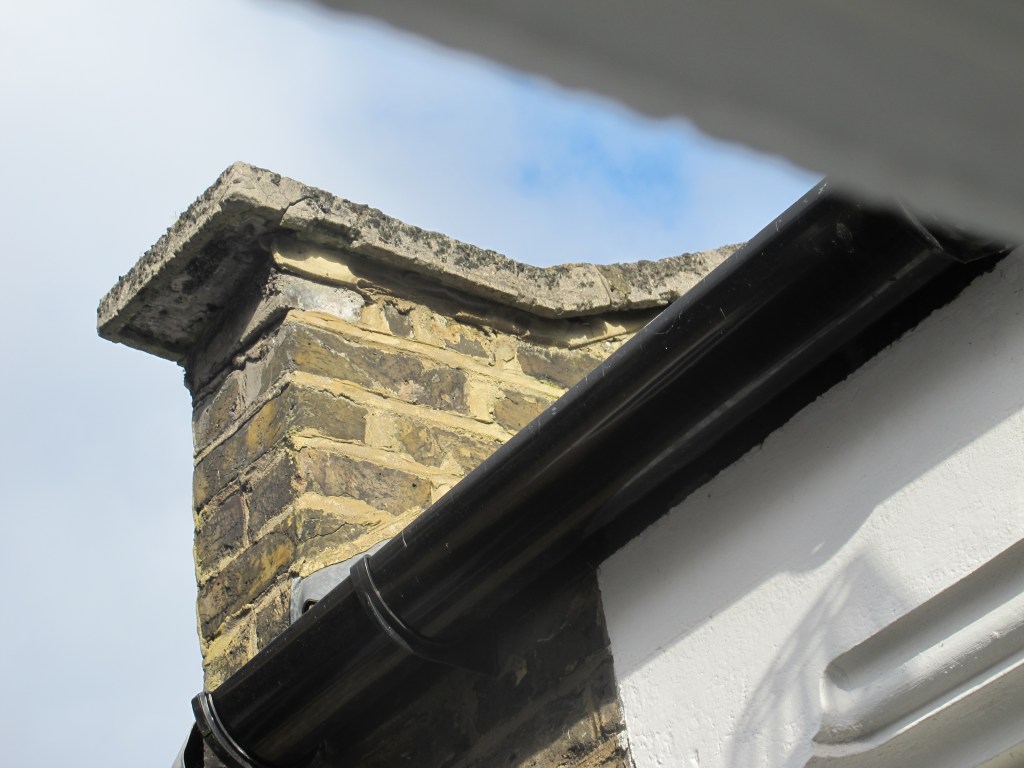
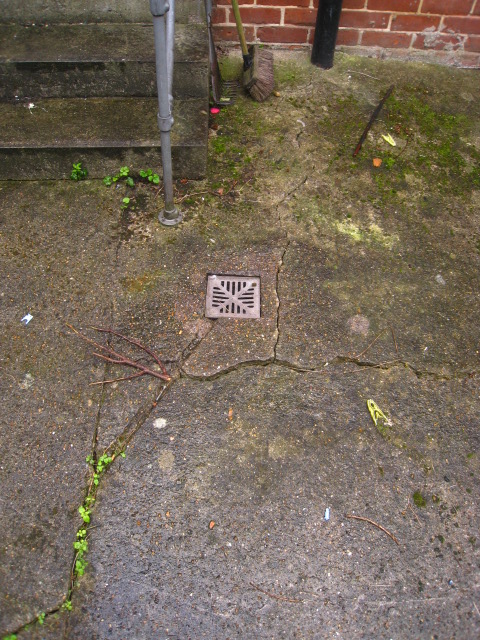
A Building Survey (formerly called a structural survey) is normally applied when dealing with a large, older or run-down property, a building that is unusual or altered, or if you’re planning major works.
The RICS Building Survey uses the same traffic light ratings as the Condition and HomeBuyer Reports. It also includes:
- a more thorough inspection and detailed report on a wider range of issues;
- a description of visible defects and potential problems caused by hidden flaws;
- an outline of repair options and the likely consequences of inactivity; and
- advice for your legal advisers and details of serious risks and dangerous conditions.
The RICS Building Survey does not include a valuation, but your surveyor may be able to provide this as a separate extra service.
Also the surveyor may be able to provide an estimate of costs for identified repairs if agreed with you in advance. Ask your surveyor for a detailed ‘Description of the RICS Building Survey Service’ leaflet.
Feasibility Reports
This would be based on the Client Initial Brief and depending on the type of scheme.
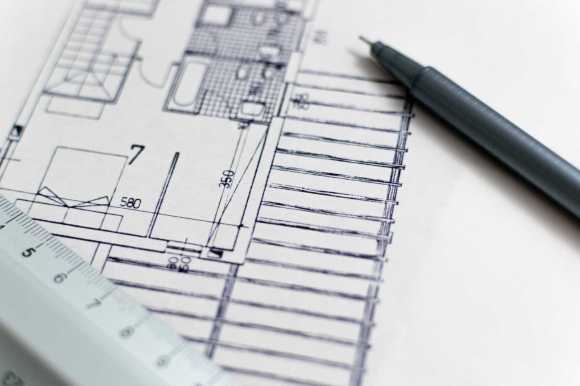
For example: We can carry out feasibility assessments, estimate works costs, prepare budgets and business case reports on proposed and existing projects.
Complete refurbishment
 ADW Chartered Building Surveyors
You must be logged in to post a comment.